What Is Ramadan Like in Egypt? A Cultural Introduction for Expats & Visitors
Ramadan in Egypt is more than a religious observance—it is a cultural experience that transforms daily life across the country. From sunrise to sunset, Muslims fast, and the rhythm of the city slows. Shops open later, cafés are quieter, and the atmosphere becomes reflective.
As sunset approaches, anticipation builds. The call to prayer marks iftar—the breaking of the fast—and families gather around generous tables. Historic neighborhoods glow with traditional lanterns (fanous), colorful decorations stretch across streets, and the scent of freshly prepared food fills the air. For expats and visitors, Ramadan offers a rare opportunity to witness Egypt’s deep sense of community and hospitality.
Is It a Good Time to Visit Egypt During Ramadan?
Yes. Visiting Egypt during Ramadan offers a unique cultural perspective. Major tourist attractions remain open, though some operate on adjusted hours. Restaurants in tourist areas typically serve visitors during the day, while evenings become especially vibrant.
Ramadan nights often extend late into the evening, with families strolling historic streets, enjoying desserts, and socializing. For travelers seeking authentic cultural immersion, this period provides insight into Egyptian traditions beyond the typical sightseeing experience.
Things to Do in Cairo During Ramadan
Experience Iftar Like a Local: Sharing iftar is one of the most meaningful experiences during Ramadan. Traditional meals begin with dates and juice, followed by dishes such as molokhia, mahshi, grilled meats, koshary, and the beloved dessert qatayef.
Explore Historic Cairo Before Sunset: The hours before iftar are especially atmospheric. Walking through medieval streets while shopkeepers prepare for sunset offers a glimpse into daily life during Ramadan.
Visit El Moez Street at Night: After iftar, El Moez Street becomes lively and welcoming, illuminated by lanterns and filled with families enjoying the evening.
Attend Cultural Performances: Traditional music, storytelling, and spiritual folklore performances take place across Cairo during Ramadan.
Shop at Traditional Markets: Markets such as the Tentmakers’ Market (El Khayamiya) are perfect for discovering handcrafted decorations and textiles.
Ramadan Walking Tour in Historic Cairo – El Darb El Ahmar
Start Time: 1:00 PM
Duration: Approximately 5–6 hours
Meeting Point: Sultan Hassan & Al-Refai Mosque
This walking experience explores one of Cairo’s most historically significant districts. Highlights include:
– Sultan Hassan Mosque, a masterpiece of Mamluk architecture
– Al-Refai Mosque, known for its royal burials
– Khayer Beik Complex, reflecting the transition between Mamluk and Ottoman styles
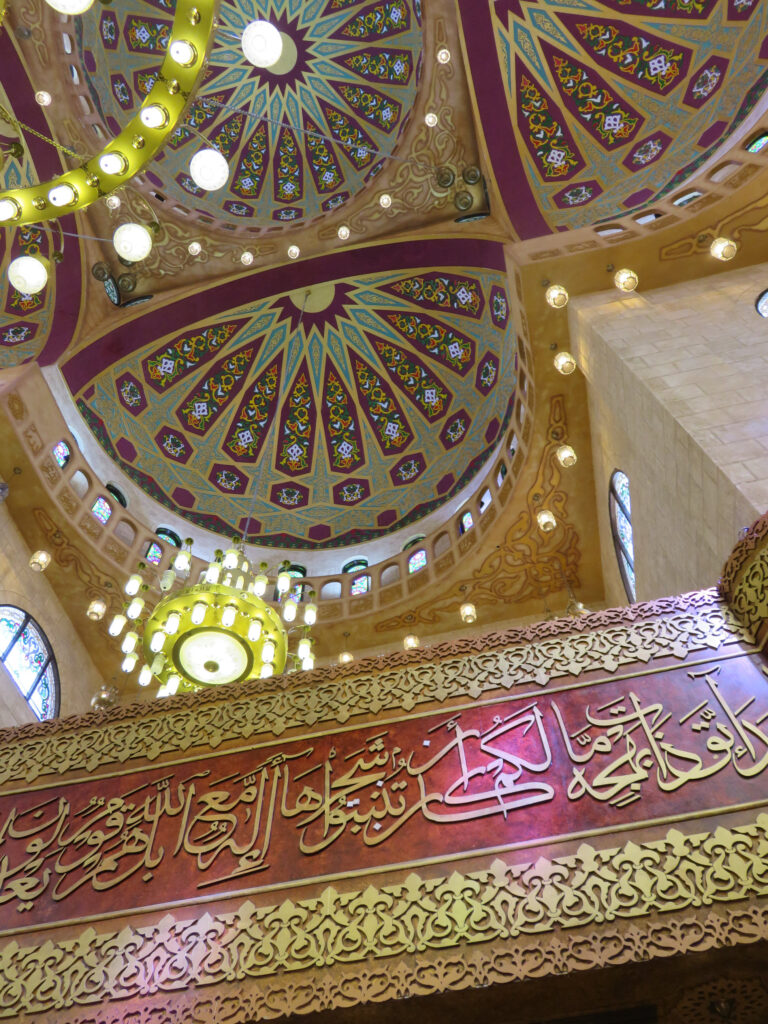
– The Blue Mosque (Aqsunqur), renowned for its Ottoman-era tiles
– Mosque & Madrasa of Umm El-Sultan Shaaban
– Al-Merdani Mosque
– Beit El-Razzaz (exterior view)
– Bab Zuweila and Mosque of Al-Muayyad
– El Khayamiya (Tentmakers’ Market)
As sunset approaches, participants observe the city’s transformation as families prepare for iftar and historic Cairo comes alive.
Optional Evening Experiences
Guests may choose to enjoy a traditional iftar at a restaurant overlooking historic Cairo. Later in the evening, cultural performances such as traditional Zar rituals in Sayeda Zeinab offer insight into Egypt’s spiritual folklore traditions.
Ramadan Etiquette Tips for Foreigners
– Avoid eating or drinking in public in traditional areas before sunset.
– Dress modestly, especially when visiting mosques or historic districts.
– Greet locals with ‘Ramadan Kareem’ or ‘Ramadan Mubarak.’
– Be mindful that energy levels may be lower during the day due to fasting.
– Always ask permission before photographing individuals.
Why Ramadan in Historic Cairo Is Special
Ramadan in Historic Cairo combines architecture, spirituality, and community. Medieval streets illuminated by lanterns, the echo of prayers between stone walls, and the shared moment of sunset create an atmosphere unlike any other time of year.
For expats and visitors alike, Ramadan provides a deeper understanding of Egyptian culture and daily life.
Frequently Asked Questions
Can tourists eat during Ramadan in Egypt? Yes, many restaurants serve tourists during the day, especially in central areas.
Are tourist attractions open during Ramadan? Yes, though operating hours may be slightly adjusted.
Is it safe to walk around at night? Evenings are lively and family-oriented, making them generally comfortable for visitors.
What time is iftar? Iftar occurs at sunset and shifts slightly each day throughout Ramadan.
What should foreigners wear? Modest clothing is recommended, particularly in religious and historic areas.